200 years Belgium (1830–2030): how did an Unlikely Nation endure?

The Unlikely Nation tells 200 years of Belgian history (1830–2030) in stories about politics, thinkers, liberalism, art and the events that shaped the country.

The Unlikely Nation is a column series telling 200 years of Belgian history (1830–2030) as a story, through one person, moment or object at a time, seen through secular humanist values.

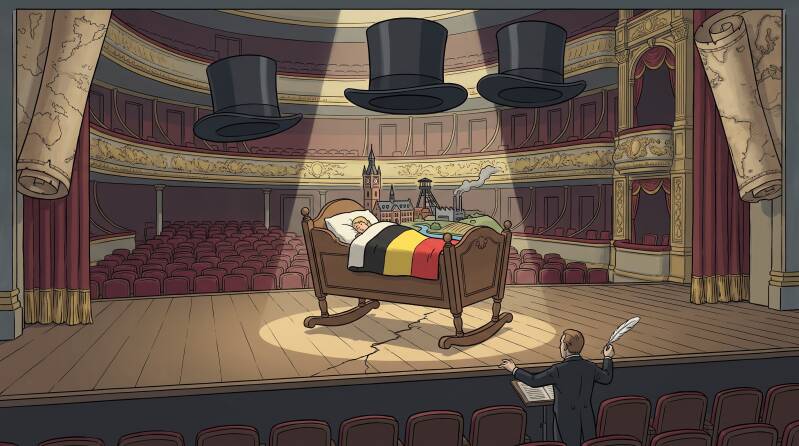
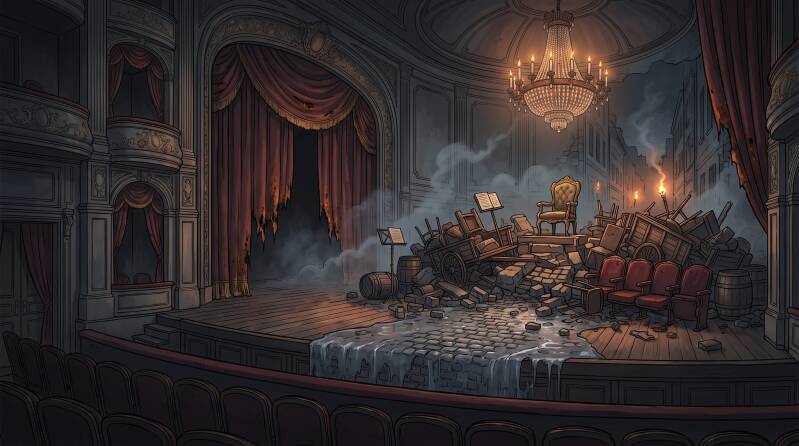
Brussels, 25 August 1830. At the Théâtre de la Monnaie, a duet about sacred love of the fatherland fills the hall. Afterwards, the unrest spills into the streets. Six weeks later, a provisional government declares independence for a country almost no one foresaw.

What is The Unlikely Nation about?

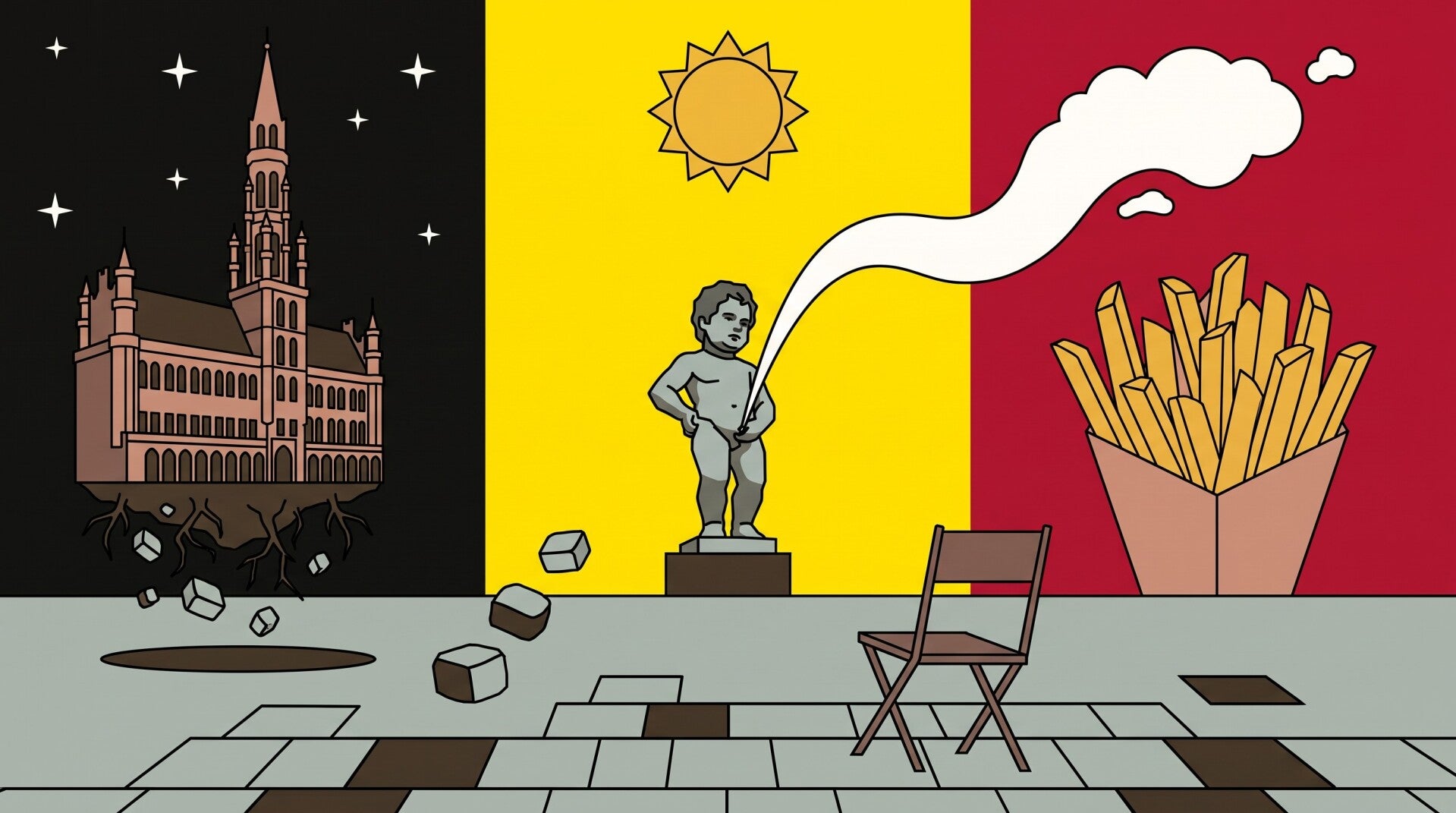
The Unlikely Nation follows that improbable country through five themes: politics, thinkers and philosophers, liberalism, Belgian art and defining events. Expect René Magritte and Adolphe Quetelet, strikers and kings, the School War and the Congo Free State. Every column stands alone, with no strict chronology.

Which values guide the Unlikely Nation?

The Unlikely Nation reads history through a secular humanist lens. Secular humanism (vrijzinnig humanisme in Dutch) is a life stance without dogma or a higher power, built on free inquiry, self-determination, equality and the separation of church and state. That lens shapes interpretation, never facts: sources are checked, doubt is named and opponents remain human.

Why tell Belgian history as we approach 2030?

In 2030, Belgium turns two hundred. Seeing how this country kept reinventing itself sharpens our view of today’s questions: freedom, language, power and living together. The columns appear also on Substack and LinkedIn and will later become e-books.

History as a story. Belgium as the main character.

Frequently asked questions

What is The Unlikely Nation?

The Unlikely Nation is a bilingual series of columns (Dutch and English) about 200 years of Belgian history, from 1830 to 2030. Each column tells the bigger story through one person, one moment or one object. The series is published on Substack, LinkedIn and www.unlikelynation.be.

What topics does The Unlikely Nation cover?

The Unlikely Nation covers five themes: politics, thinkers and philosophers, liberalism, Belgian art and defining events. The themes are mixed and often combined. The columns will later be collected by theme in e-books.

What is secular humanism in Belgium?

Secular humanism (vrijzinnig humanisme in Dutch, laïcité in French) is a life stance without dogma or a higher power, built on free inquiry, self-determination, equality, responsibility and critical thinking. In Belgium it also defends the separation of church and state. In The Unlikely Nation, this framework guides the interpretation, not the presentation of the facts.

Why is Belgium called an unlikely nation?

Belgium was born in 1830 from a revolt against King William I’s United Kingdom of the Netherlands. The Netherlands and the European great powers only recognised the country definitively with the Treaty of London in 1839. In this series’ reading, the fact that Belgium still exists two hundred years later is anything but self-evident.

What happened in Brussels on 25 August 1830?

On 25 August 1830, Daniel Auber’s opera La Muette de Portici (The Mute Girl of Portici) was performed at the Théâtre de la Monnaie in Brussels. After the performance, unrest broke out in the city and grew into the Belgian Revolution. The opera was the spark, not the cause: discontent with William I’s rule had been growing for years.

Sources

  • Els Witte, Jan Craeybeckx and Alain Meynen, Political History of Belgium: From 1830 Onwards.
  • deMens.nu – values of the secular humanist community in Flanders and Brussels (demens.nu).
  • HumanistischVerbond – free inquiry and self-determination (humanistischverbond.be).
  • Liberas – archive of the liberal movement in Belgium (liberas.eu).
  • Willem Elias – philosophy of art and Belgian art (willemelias.be).

De Onwaarschijnlijke Natie is een reeks columns die 200 jaar Belgische geschiedenis (1830–2030) als verhaal vertelt, via één mens, één moment of één object. De duiding gebeurt vanuit een vrijzinnig-humanistisch waardenkader.

Brussel, 25 augustus 1830. In de Muntschouwburg klinkt een duet over de heilige liefde voor het vaderland. Na de voorstelling slaat de onrust over naar de straat. Zes weken later roept een voorlopige regering de onafhankelijkheid uit van een land dat bijna niemand had voorspeld.

Waarover gaat De Onwaarschijnlijke Natie?

De Onwaarschijnlijke Natie volgt dat onverwachte land rond vijf thema’s: politiek, denkers en filosofen, liberalisme, Belgische kunst en grote gebeurtenissen. Je leest over René Magritte en Adolphe Quetelet, over stakers en koningen, over de schoolstrijd en de Congo-Vrijstaat. Elke column staat op zichzelf, zonder strikte chronologie.

Welk waardenkader hanteert De Onwaarschijnlijke Natie?

De Onwaarschijnlijke Natie kiest bewust voor een vrijzinnig-humanistische lezing. Vrijzinnig humanisme is een levensbeschouwing zonder dogma of hogere macht, die vrij onderzoek, zelfbeschikking, gelijkwaardigheid en de scheiding van kerk en staat centraal zet. Die bril stuurt de duiding, nooit de feiten: bronnen worden gecontroleerd, twijfel wordt benoemd en tegenstanders blijven mensen.

Waarom Belgische geschiedenis vertellen op weg naar 2030?

In 2030 bestaat België tweehonderd jaar. Wie ziet hoe dit land zichzelf telkens opnieuw uitvond, kijkt scherper naar de vragen van nu: vrijheid, taal, macht en samenleven. De columns verschijnen op Substack en LinkedIn, en worden later gebundeld in e-books.

Geschiedenis als verhaal. België als hoofdpersonage.

Veelgestelde vragen

Wat is De Onwaarschijnlijke Natie?

De Onwaarschijnlijke Natie is een tweetalige reeks columns (Nederlands en Engels) over 200 jaar Belgische geschiedenis, van 1830 tot 2030. Elke column vertelt de grote geschiedenis via één mens, één moment of één object. De reeks verschijnt op Substack, LinkedIn en www.unlikelynation.be.

Welke thema’s worden er behandeld door De Onwaarschijnlijke Natie?

De Onwaarschijnlijke Natie behandelt vijf thema’s: politiek, denkers en filosofen, liberalisme, Belgische kunst en grote gebeurtenissen. De thema’s lopen door elkaar en worden vaak gecombineerd. Later worden de columns per thema gebundeld in e-books.

Wat is vrijzinnig humanisme?

Vrijzinnig humanisme is een levensbeschouwing zonder dogma of hogere macht, gebouwd op vrij onderzoek, zelfbeschikking, gelijkwaardigheid, verantwoordelijkheid en kritisch denken. Het verdedigt ook de scheiding van kerk en staat. In De Onwaarschijnlijke Natie bepaalt dit kader de duiding, niet de weergave van de feiten.

Waarom wordt België een onwaarschijnlijke natie genoemd?

België ontstond in 1830 uit een opstand tegen het Verenigd Koninkrijk der Nederlanden van koning Willem I. Nederland en de Europese grootmachten erkenden het land pas definitief met het Verdrag van Londen van 1839. Dat België tweehonderd jaar later nog bestaat, is in de lezing van deze reeks allesbehalve vanzelfsprekend.

Wat gebeurde er op 25 augustus 1830 in Brussel?

Op 25 augustus 1830 werd in de Muntschouwburg in Brussel de opera La Muette de Portici van Daniel Auber opgevoerd. Na de voorstelling brak in de stad onrust uit, die uitgroeide tot de Belgische Revolutie. De opera was de vonk, niet de oorzaak: de onvrede met het bewind van Willem I groeide al langer.

Bronnen

  • Els Witte, Jan Craeybeckx en Alain Meynen, Politieke geschiedenis van België van 1830 tot heden.
  • deMens.nu – waardenkader van de vrijzinnig-humanistische gemeenschap (demens.nu).
  • Humanistisch Verbond – vrij onderzoek en zelfbeschikking (humanistischverbond.be).
  • Liberas – archief van de liberale beweging in België (liberas.eu).
  • Willem Elias – kunstfilosofie en Belgische kunst (willemelias.be).